Catgirl (Nekomimi) Art
最終更新日 / Updated: 2026-08-24
Can I create Catgirl (Nekomimi) Art for free?
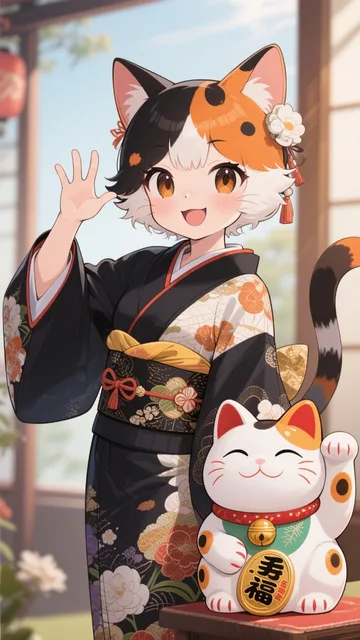
Catgirl AI art — characters with cat ears, tails and playful charm (nekomimi). A beloved tag in anime illustration. Create your own kemonomimi characters on SUPPART.
About 10s · 150+ styles · free. 1.3M+ artworks and 1,500+ events across Japan. iOS, Android & web.
- ~10stypical gen
- 150+styles
- 1.3M+artworks
- 4.2★rating
- 1,500+events
Catgirl (Nekomimi) Art — AI artworks by SUPPART users
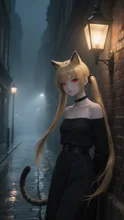
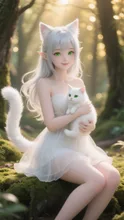

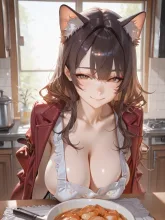


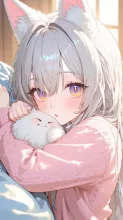
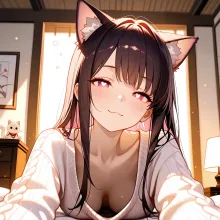
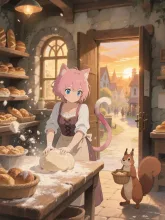
Nekomimi and the wider kemonomimi family
Nekomimi literally means cat ears, and a catgirl is a human-shaped character who has them. It belongs to a larger family called kemonomimi — animal-eared characters — which also includes inumimi for dog ears, kitsunemimi for fox ears with the accompanying tail, and usagimimi for rabbit ears. Naming the specific one matters, because fox and rabbit variants come with different tail and ear shapes that change the whole silhouette.
The four-ear problem, and how to avoid it
The most common failure in generated catgirl art is a character with both a normal pair of human ears and a pair of cat ears above them. Anatomically the cat ears are meant to sit where hair parts on the top of the head and replace the human pair, which should not be visible. Saying so directly in the prompt — cat ears on top of the head, no human ears — resolves it most of the time. The tail is the other place to check: it should start at the lower back, not at the hip or the base of the spine drawn as a separate attachment.
Behaviour is what sells it
Ears and a tail are the costume; the reason a catgirl illustration works is usually posture. Hands held loosely near the chest, a slight forward lean, vertical slit pupils, and a collar with a small bell all point at the same idea without stating it. Ears angled back read as annoyed and ears forward read as alert, which is a cheap way to give a still image an expression it would not otherwise have.
Creating catgirl art on SUPPART
Choose a style, specify which animal ears you want, add the no-human-ears note, and describe one behavioural cue. Generation is free to start and takes about ten seconds. The gallery above shows how SUPPART users have handled the motif across different styles.