Gravure-Style Art
最終更新日 / Updated: 2026-08-24
Can I create Gravure-Style Art for free?
Gravure-style AI art — glamorous, photogenic poses and lighting inspired by Japanese gravure idols, glamorous yet tasteful. Create pin-up-style characters on SUPPART.
About 10s · 150+ styles · free. 1.3M+ artworks and 1,500+ events across Japan. iOS, Android & web.
- ~10stypical gen
- 150+styles
- 1.3M+artworks
- 4.2★rating
- 1,500+events
Gravure-Style Art — AI artworks by SUPPART users








What gravure style means
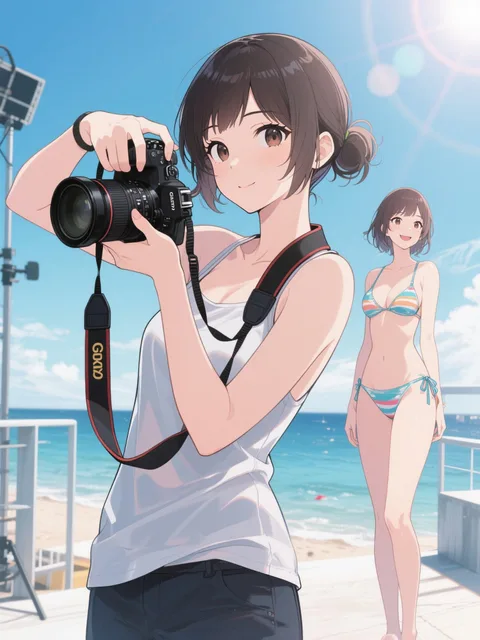
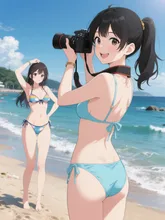
Gravure, or gurabia in Japanese, refers to the photo-book and magazine idol photography tradition rather than to any drawing style. The look is defined by natural light, relaxed and photogenic posing, everyday or swimwear outfits, and a tone that is glamorous but not explicit. When the word is used as an art tag it means an illustration composed like one of those photographs — as if a camera took it, not as if it were designed as a poster.
The light and the pose are what make it read as gravure
Outfit alone does not produce the look. What does is soft directional light from a window or an overcast sky, a camera height slightly below eye level, and a pose caught mid-movement rather than held: turning back over one shoulder, sitting with weight on one hand, brushing hair aside. Naming the light source and the camera angle in a prompt moves the result far more than naming the clothes.
Gravure, swimsuit and pin-up are not the same tag
Swimsuit describes what the character is wearing and nothing else. Pin-up refers to the mid-century Western illustration tradition, with stylised proportions and a poster-like flat background. Gravure sits between them: photographic framing and lighting, contemporary Japanese styling, and settings that are ordinary places — a seaside, a hotel room, a poolside in afternoon light.
Creating gravure-style art on SUPPART
Pick a photographic or realistic style, describe the light and the setting first and the outfit second, and generate. SUPPART is free to start and hosts daily themed contests, many of which use this kind of framing. Community guidelines keep published work within a tasteful, non-explicit range, so prompts aimed at that register also tend to produce the cleanest results.