Kimono Art
最終更新日 / Updated: 2026-08-24
Can I create Kimono Art for free?
Kimono AI illustrations celebrating traditional Japanese dress — elegant patterns, obi sashes and seasonal motifs. Create refined wafuku characters on SUPPART.
About 10s · 150+ styles · free. 1.3M+ artworks and 1,500+ events across Japan. iOS, Android & web.
- ~10stypical gen
- 150+styles
- 1.3M+artworks
- 4.2★rating
- 1,500+events
Kimono Art — AI artworks by SUPPART users








Kimono, yukata or furisode — which one you actually want
These are three different garments and models respond to the distinction. A kimono is lined, worn with layers and a stiff obi, and belongs to formal or seasonal occasions. A yukata is a single layer of unlined cotton worn in summer at festivals and fireworks displays, usually with a softer sash and geta sandals. A furisode is a kimono with very long hanging sleeves, worn by young unmarried women at coming-of-age ceremonies and weddings. Naming the right one gets you the right silhouette immediately.
Patterns carry the season
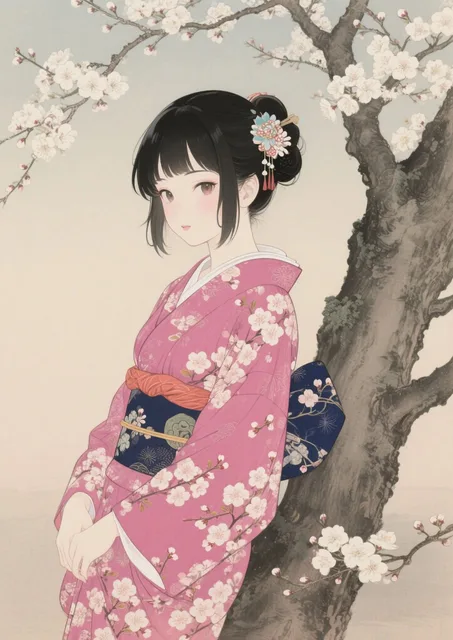
Traditional dress is read partly through its motifs, and those motifs are seasonal: plum and camellia for late winter, cherry blossom for spring, hydrangea and iris for early summer, maple and chrysanthemum for autumn. An illustration that pairs a summer garment with an autumn pattern looks subtly wrong even to viewers who cannot say why. Picking a motif that matches the season you are depicting is a one-word change with a large effect.
Two details that AI usually gets wrong
The collar closes left over right when seen from the front — the reverse is used only when dressing the deceased, so it reads as a mistake to any Japanese viewer. The obi is tied at the back; a bow at the front belonged historically to a different profession and is rarely what is intended. Both are worth stating in a prompt, and both are worth checking before publishing an image.
Creating kimono art on SUPPART
Name the garment, then the season and its matching motif, then the setting — a shrine approach, a summer festival street, a tatami room. SUPPART is free to start, and traditional-dress themes come up regularly in the daily contests, so the gallery above shows a wide range of interpretations to work from.